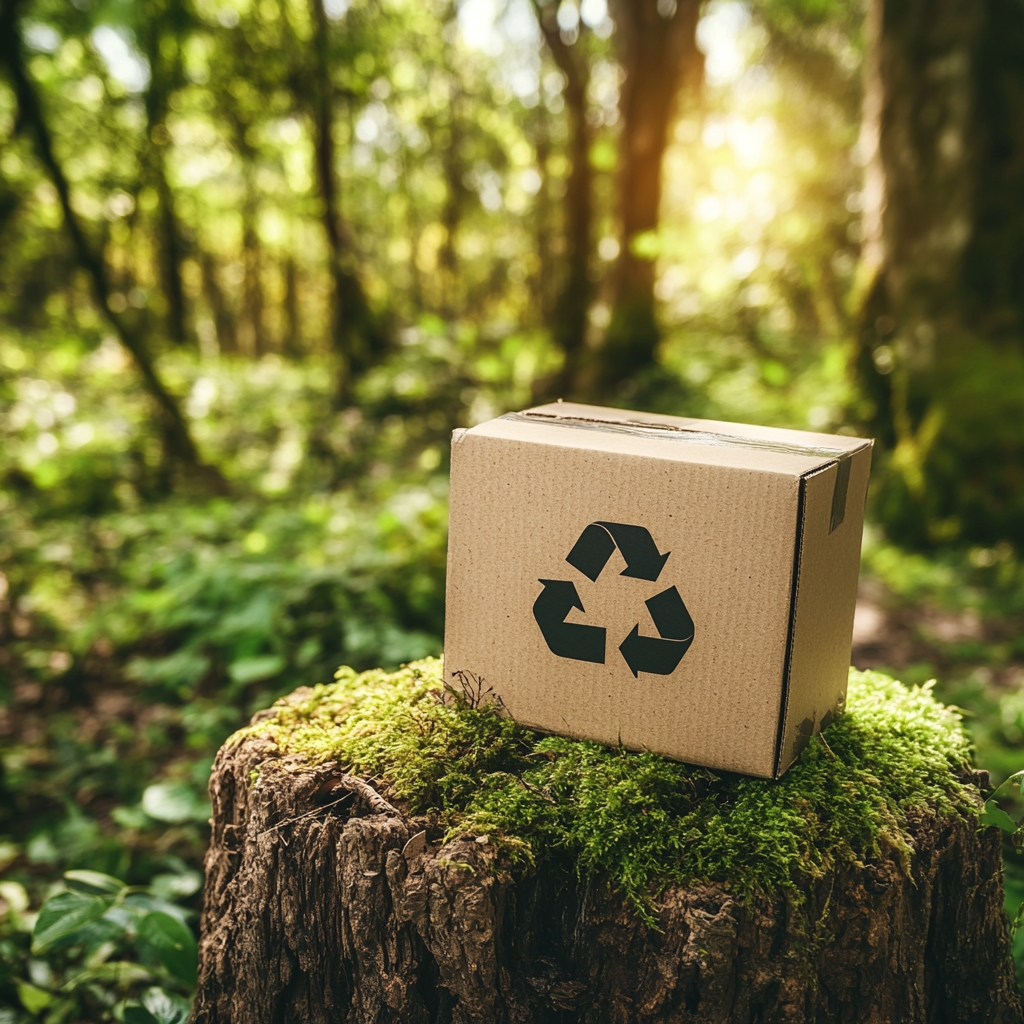
Why do certificates matter?

An increasing number of products labeled as eco-friendly are appearing on the market. However, customers often do not know which ones actually meet the standards and which only appear environmentally friendly. This is where certificates come in—independent confirmations that the product and its production process have been verified for quality and environmental impact. These are not empty symbols, but tools that provide assurance that the choice is not based solely on marketing.

PEFC – responsible forests

The PEFC certificate (Programme for the Endorsement of Forest Certification) applies to products made from wood and paper. It means that the material used in production comes from forests managed sustainably. The goal is to ensure that wood harvesting does not destroy the ecosystem or lead to excessive logging. Products with this label provide assurance that a balance between industry, nature, and local communities was maintained during their production. Choosing such materials supports forests that have a chance to survive for future generations.

OEKO‑TEX – safety for skin and the environment

OEKO‑TEX is one of the most recognizable certifications in the textile industry. It guarantees that fabrics do not contain harmful chemical substances that could be dangerous to humans or the environment. This is important both for people with sensitive skin and for those who want to reduce chemical exposure in their daily lives. Products marked with this label can be considered safer and more responsible. For beauty or hair salons, it is a clear signal that the accessories used daily do not carry hidden risks.

ECOCERT and other quality certifications

ECOCERT is a certification particularly popular in the cosmetics and food industries. It indicates that a product contains natural ingredients and was produced in compliance with strict environmental standards. Other labels, such as EU Ecolabel or FSC, work in a similar way. Each of them monitors a different area—from packaging, through the production process, to the final ingredients. This allows customers to consciously choose products that truly meet ecological standards, rather than just appearing “green.”

How to read the symbols

Certificates are not decorations, but information. It is worth learning to recognize their meaning, as this is the best protection against greenwashing—pretending to be eco-friendly where it is not. The more a customer knows about labels such as PEFC, OEKO‑TEX, or ECOCERT, the easier it is for them to make a good purchasing decision. Awareness of these marks also increases pressure on producers to actually change their processes. Certificates are therefore not just labels—they are a tool for real change toward a more responsible market.

Daily cleanliness in harmony with nature—it’s possible without compromise. Choose soft, absorbent, and biodegradable materials such as towels, tissues, or wipes that are environmentally friendly while providing the highest level of comfort. A small change. A big impact.