Hygiene as the Foundation of Safety
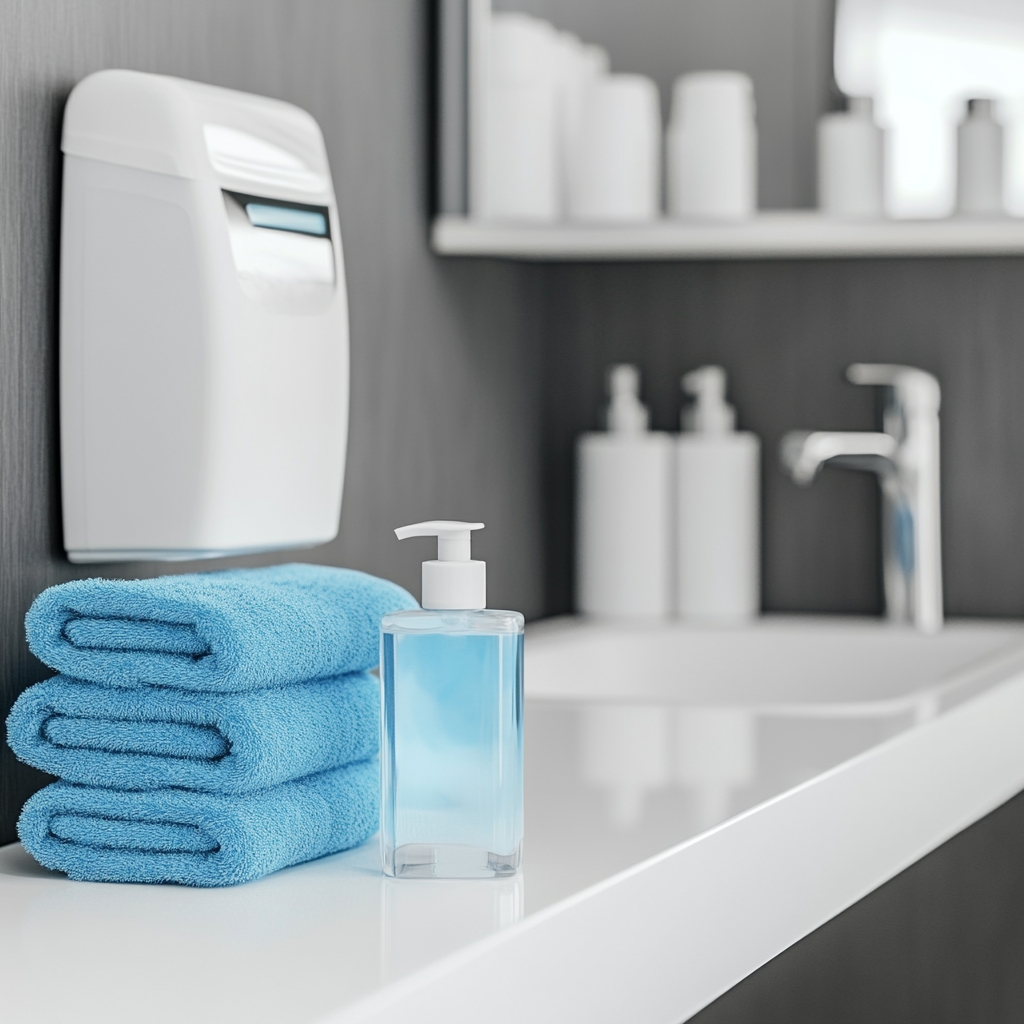
In salons, clinics, and treatment rooms, many people pass through each day—bringing with them millions of bacteria, viruses, and fungi invisible to the naked eye. That is why sterile working conditions are not a luxury but an absolute foundation. Regular cleaning and disinfection of surfaces and tools reduce the risk of infections and build a sense of safety for both clients and staff. Disposable accessories such as towels or protective clothing further support hygiene maintenance. The presence of hand sanitizer dispensers has become a standard that clients now take for granted—and in practice, it is often the first sign that the clinic operates professionally.
What Is Disinfection?
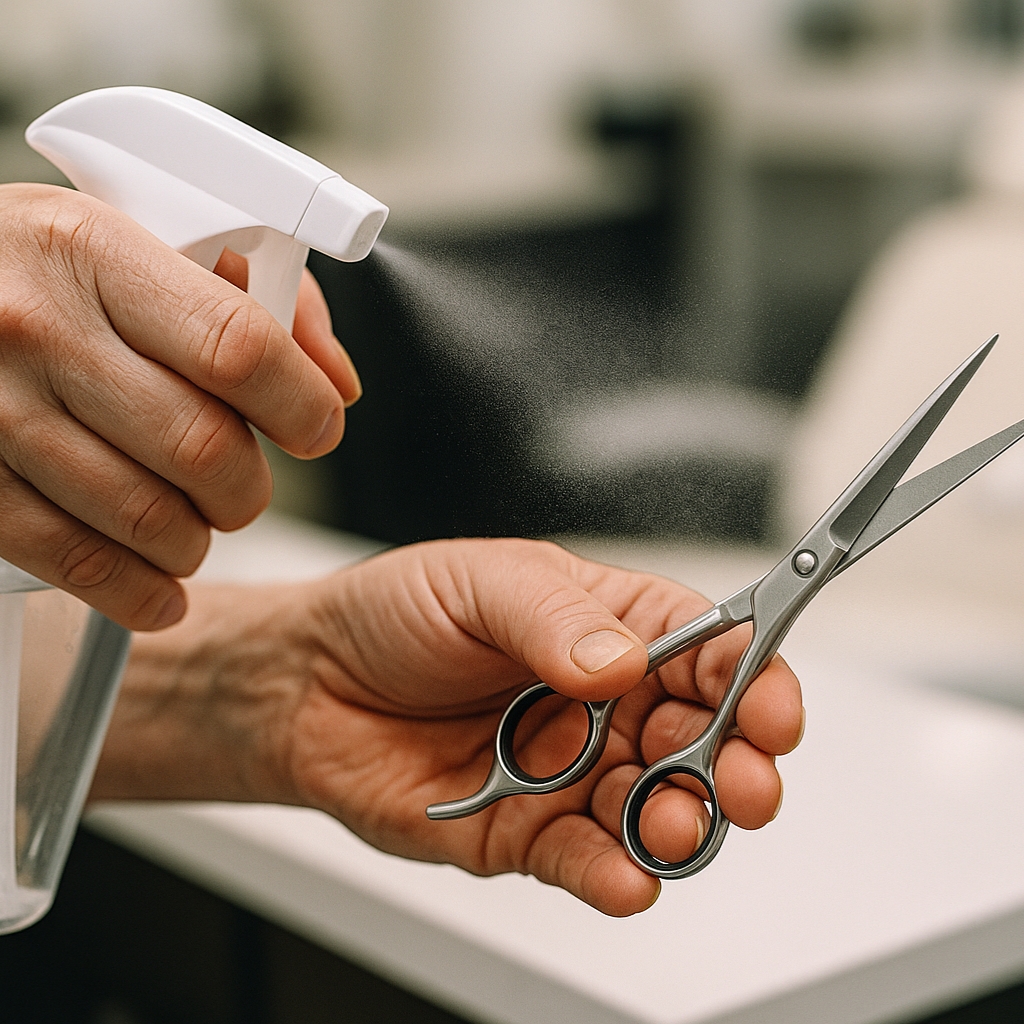
Disinfection is the process of reducing the number of pathogenic microorganisms to a level that does not pose a health risk. Although it does not always eliminate resistant forms such as spores, it effectively protects against infections. In practice, different methods are used—from chemical agents to heat treatment or UV light. In beauty and medical clinics, alcohol-based solutions are most commonly used for disinfecting hands, tools, and surfaces. Their effectiveness depends on contact time, concentration, and method of application, which is why it is so important to use them according to recommendations. Disinfection is not just a routine but also knowledge that translates into real safety.
Sanitization vs. Disinfection – An Important Difference
In everyday language, we often use these terms interchangeably, but in reality, they mean different things. Disinfection is a stronger process—it can destroy almost all bacteria, viruses, and fungi present on a surface, and can even target specific microorganisms. Sanitization, on the other hand, has a weaker effect and usually eliminates only part of the microbes, which is why it is more suitable for home use. In clinics, hospitals, or salons, where the risk of infection is much higher, disinfection is applied as a mandatory standard. It is precisely thanks to disinfection that the highest level of hygiene can be maintained in places where the health of the client or patient is the top priority.
Lessons from the Pandemic
The importance of disinfection became especially clear during the COVID-19 pandemic. It was then that the crucial role of regularly disinfecting surfaces, objects, and hands was revealed. Medical staff repeatedly emphasized that it was the simplest tool in combating the spread of the virus. Those experiences left a lasting mark on public awareness—clients and patients today pay much more attention to safety measures. Clinics that take disinfection seriously gain not only a reputation for responsibility but also real trust from visitors. It is one of the best examples that hygiene is not an accessory but a strategic value.
Professionalism Visible in the Details
Disinfection and hygiene are not only about fighting microorganisms but also about building a brand and gaining a competitive advantage. A sterile interior, fresh disposable accessories, and visible care for cleanliness all contribute to the clinic’s image. Clients and patients feel they have come to a place where their health is truly valued. Staff also work in better conditions, which supports focus and raises the quality of services provided. This shows that hygiene is more than just a requirement—it is an element that determines reputation, effectiveness, and the long-term success of any salon or clinic.