What is biodegradation?

Biodegradation is a natural process in which complex organic compounds break down into simpler components under the influence of bacteria, fungi, or other microorganisms. This allows materials to return to the ecosystem as harmless substances instead of accumulating in the environment. It is a huge difference compared to plastic, which remains almost unchanged for hundreds of years. That is why biodegradable products are becoming an alternative in salons, clinics, and treatment rooms—places where disposability is necessary, but ecology is increasingly important.

How to recognize biodegradable products?

Biodegradable products are made from materials that break down quickly under appropriate conditions. These can include plant fibers, cornstarch, or special biopolymers. Importantly, they also undergo natural decomposition processes when exposed to water, air, and UV light. In practice, this means that disposable accessories in salons or packaging in clinics do not have to become a long-term burden. Proper sorting is key, however—placing them in the correct container completes the cycle and genuinely eases the impact on the environment.

Where are they used?

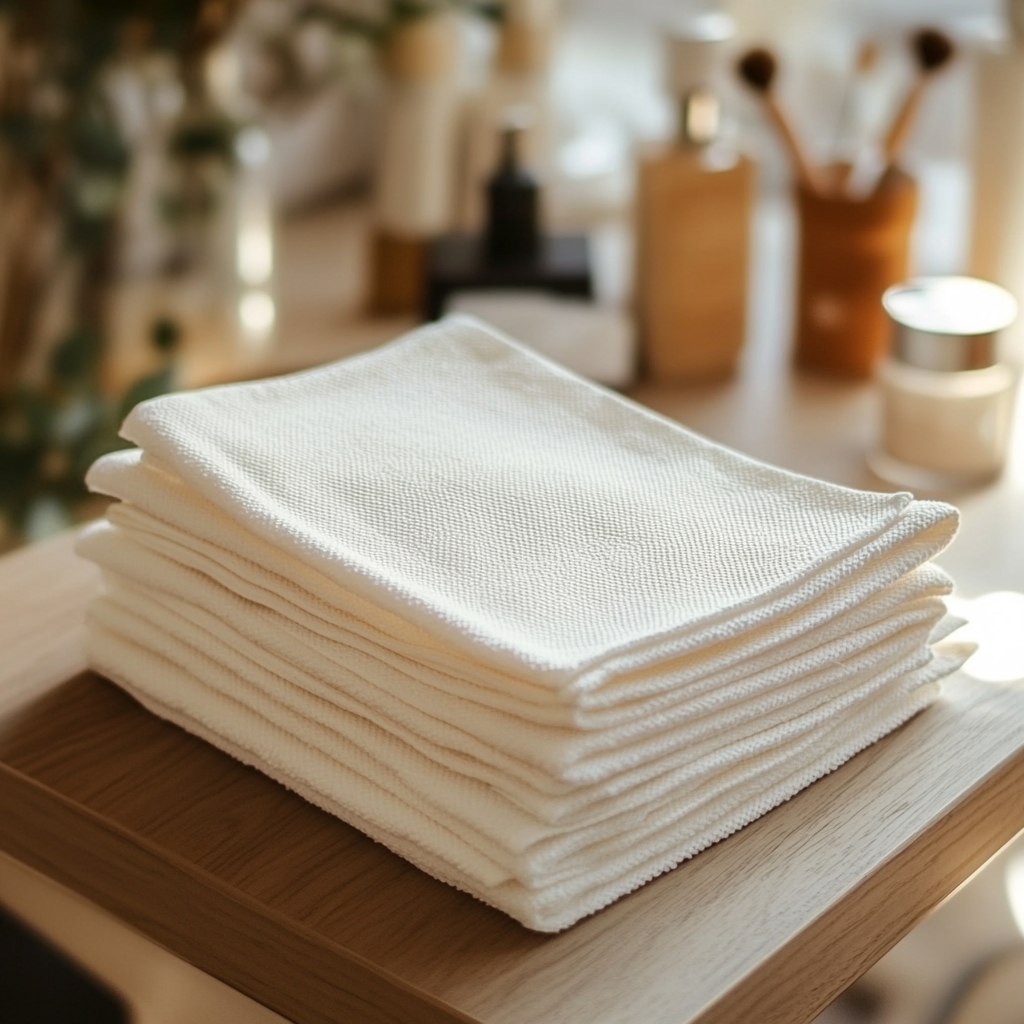
Biodegradable materials are increasingly appearing in places where plastic once dominated. In medicine, they are used for producing dissolvable sutures or films; in cosmetics, for disposable pads or towels; and in the food industry, for packaging and utensils. Their durability and resistance to damage make them a viable replacement for traditional plastics. These solutions not only improve the ease of work but also allow clients and patients to use services with the assurance that the place operates responsibly. In this way, ecology becomes part of the everyday experience.

What labels do eco-friendly products have?

Biodegradable products have special certificates and labels that confirm their composition and method of decomposition. Thanks to them, the owner of a salon or clinic can be sure that they are choosing truly ecological solutions, not just “for show.” Symbols of compostability, green leaves, or distinctive recycling marks are a guarantee of quality and compliance with standards. More and more customers pay attention to such details, so the presence of certified products becomes an additional image-enhancing asset. Transparency in this area is crucial—both for the environment and for the trust of consumers.

Why is it worth using them?

The biggest advantage of biodegradable products is the reduction of waste and the decrease of environmental pollution. They help ensure that less plastic ends up in landfills and fewer greenhouse gases are released into the atmosphere. In salons and clinics, such solutions also signify a new level of quality—the client sees that the place cares not only about them but also about the planet. In the long run, this is a competitive advantage and a component of building a strong brand. Choosing biodegradable items is an investment in the future, the benefits of which will be noticed not only by current clients but also by future generations.

Daily cleanliness in harmony with nature—it’s possible without compromise. Choose soft, absorbent, and biodegradable materials such as towels, tissues, or wipes that are environmentally friendly while providing the highest level of comfort. A small change. A big impact.