Why are traditional materials becoming a problem

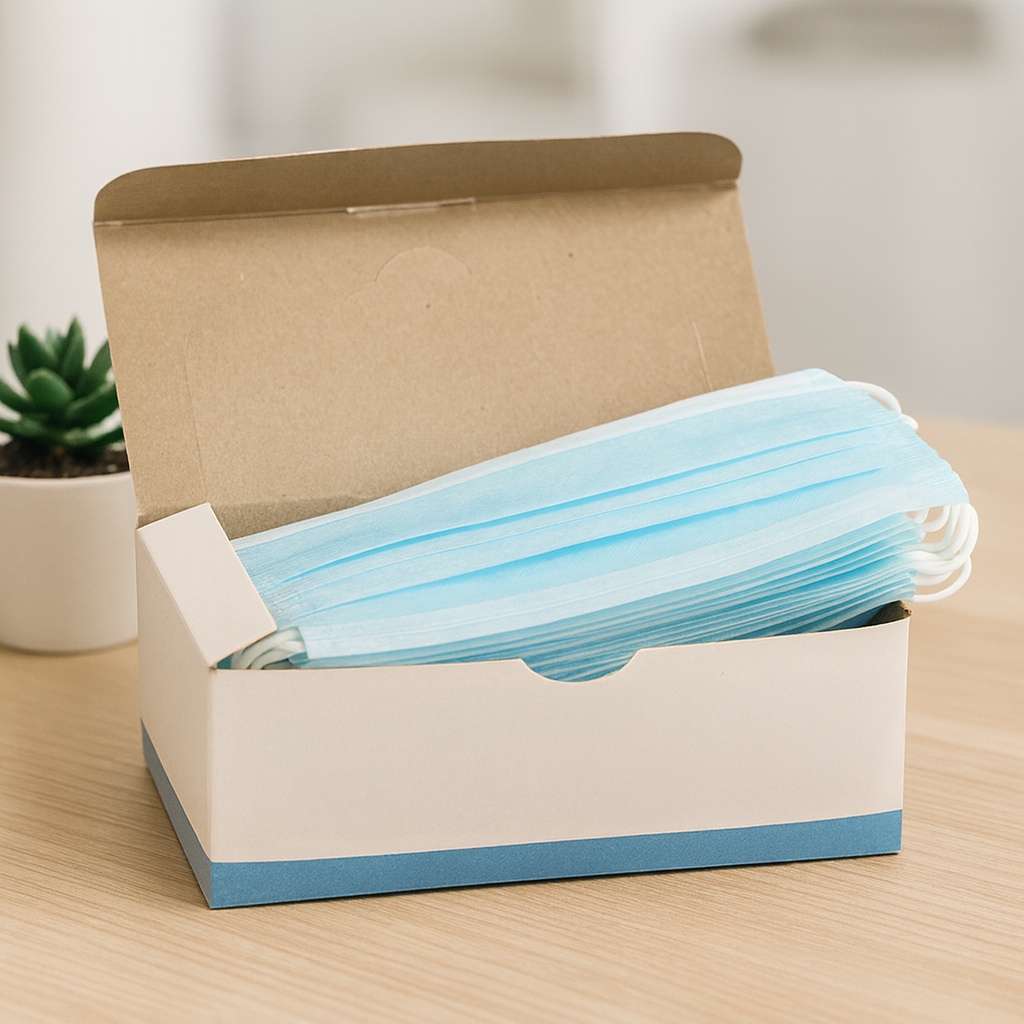
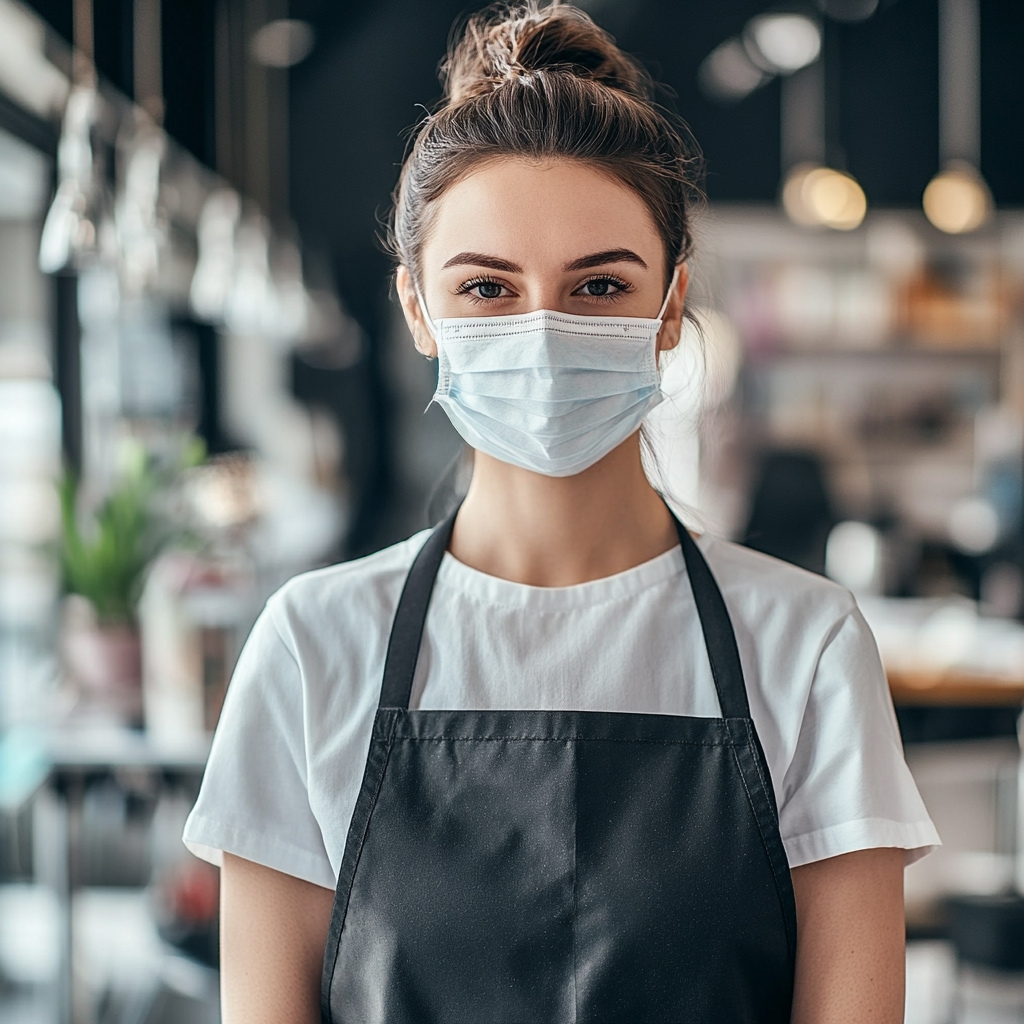
Aprons and masks are an inseparable part of work in cosmetic, hairdressing, and medical offices. Thousands of them are used every day, and most end up in landfills as waste that is difficult to process. Traditional materials, such as plastic or synthetic nonwovens, take hundreds of years to decompose, burdening the environment. The paradox is that materials created with the intention of protecting health are at the same time becoming a threat to the planet. This challenge makes the need for a new generation of aprons and masks – made from biodegradable materials – increasingly discussed.

Biodegradable nonwovens in practice

Nonwovens made from corn starch, sugarcane, or bamboo are appearing on the market. Such materials retain protective properties while decomposing much faster than traditional plastic. An apron or mask used in an office no longer has to mean a long-term burden on the environment. Moreover, some of these nonwovens are suitable for industrial composting, which makes it possible to close the waste loop. This is practical proof that health protection and ecology can go hand in hand.

User comfort and safety

Doubts often concern whether biodegradable materials provide the same level of protection as classic ones. Research shows that modern nonwovens perform just as well in filtration and as a barrier against microorganisms. Moreover, they are lighter and more breathable, which increases work comfort. For staff who wear masks or aprons for many hours, this is a difference felt every day. In this case, ecology does not mean giving up quality, but giving it a new dimension.

Costs and availability of solutions

One of the arguments against biodegradable materials is cost. Indeed, until recently they were higher than their traditional counterparts. However, the growing scale of production and increasing interest are making prices more affordable. In the longer term, offices can gain not only an ecological image but also savings – for example, through better waste management. This is an example that investing in new materials can be profitable not only in terms of image but also economically.

The future of the industry in the hands of conscious choices

The new generation of aprons and masks shows that changes toward ecology are possible even in such demanding industries as medicine or cosmetology. The key, however, is that office owners consciously choose materials that are truly biodegradable, not just labeled as such. Transparency from manufacturers and staff education play a huge role here. In the future, it will be responsible choices that determine which offices gain an advantage – because clients are increasingly asking not only about the quality of services but also about the impact on the environment.

Daily cleanliness in harmony with nature—it’s possible without compromise. Choose soft, absorbent, and biodegradable materials such as towels, tissues, or wipes that are environmentally friendly while providing the highest level of comfort. A small change. A big impact.